Solar water heaters use sunlight as their primary source of heat. But what happens when the weather stays cloudy for several days or hot water demand is higher than the available solar heating?
Many systems use an electric backup heating element to support water heating when solar energy is insufficient. Choosing the right element is important because material, water quality, wattage and tank compatibility all affect its suitability.
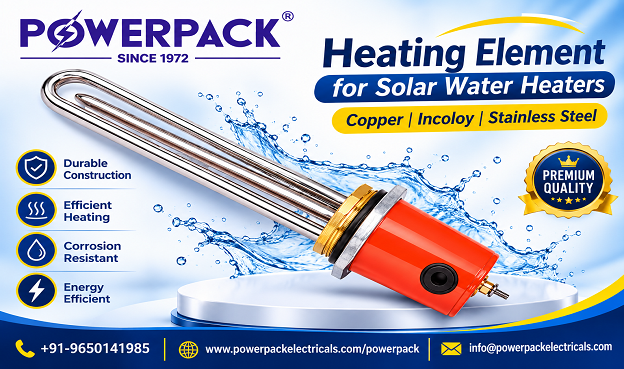
If you are searching for a Heating Element for Solar Water Heater dealer in India, understanding the differences between copper, Incoloy and stainless steel is a useful starting point.
Why Does a Solar Water Heater Need an Electric Heating Element?
A solar water heater utilises a solar collector to capture the sun's rays, which is then transferred to water in a tank. An electric immersion element can be added at any time to boost heat during periods of cloud, or high usage.
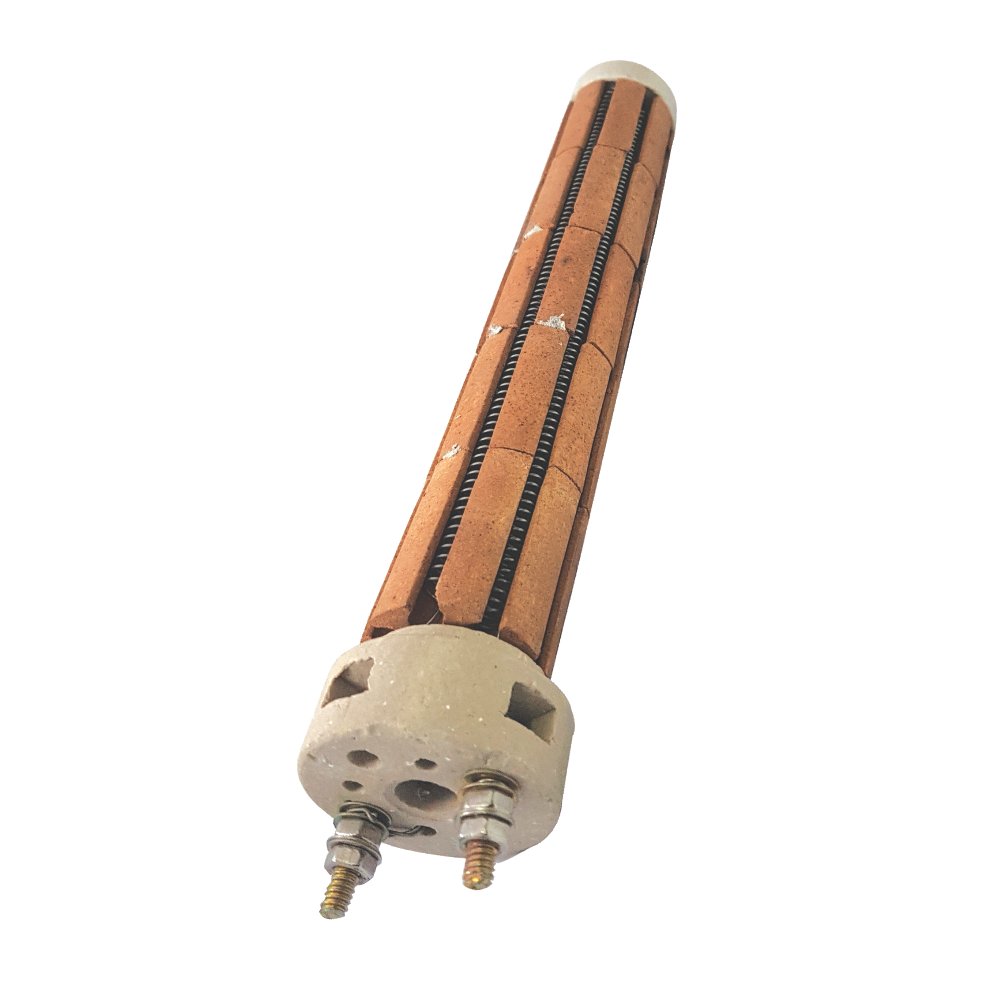
Heating element the element is placed within an appropriate tank and can convert electric energy into heat. Its effectiveness depends on the electrical power and the material, as well as on how it is installed and used.
1. Copper Heating Element
Copper is known for its high thermal conductivity, which allows it to transfer heat efficiently. Copper-sheathed heating elements are used in various water-heating applications.
Where it may be suitable: Copper can be considered where the water chemistry and system design are compatible with the material.
What to check: Water quality is important. Hard or corrosive water can affect the service life of a copper element. Buyers should confirm suitability with the equipment manufacturer or heating-element supplier before selecting it.
2. Incoloy Heating Element
Incoloy is a nickel-iron-chromium alloy, which is commonly used in heating elements where heat and corrosion resistance are desired.
Applications where it might be appropriate: although this alloy is sometimes specified for difficult water-heating service, the particular alloy grade and water chemistry are important.
What to verify: Do not simply purchase an Incoloy element by name. Verify the grade, watt density, working circumstances and compatibility with the solar tank.
3. Stainless Steel Heating Element
Another type of materials used in water-heating elements are stainless steel. In this case the corrosion resistance depends on the grade of the water and the temperature on the element and the manufacturing quality.
Where it might be suitable: Stainless steel might be a viable choice for suitable household and industrial water-heating systems.
Things to verify: Inquire if the material is made of a stainless steel grade that is appropriate for the water situation. Stainless steel is a generic term for grades that do not all possess the same resistance to corrosion.
Copper vs Incoloy vs Stainless Steel: Which One Should You Choose?
There is no single material that is best for every solar water heater.
- Copper: Offers high thermal conductivity, but suitability depends on water chemistry.
- Incoloy: Can offer strong resistance to heat and corrosion, depending on the alloy grade and application.
- Stainless steel: Offers a range of options, with performance depending on the specific grade and operating conditions.
The final choice should also consider the tank’s design, thread size, voltage, wattage and manufacturer’s recommendation.
Other Factors to Check Before Buying
Material is only one part of the selection process.
Wattage and voltage: The heating element must match the electrical specifications of the system.
Increasing connection: find whether the container needs a 1-inch BSP, 1.25-inch BSP or other fitting.
Shape and size: The element has to fit within the tank, without disturbing the internal parts.
Thermostat and electrical safety: there should be appropriate temperature regulation, earthing, and electrical safety.
Water quality: The hardness, salt content and other water conditions may promote scaling and corrosion.
Solar Water Heater Elements from Powerpack Electricals
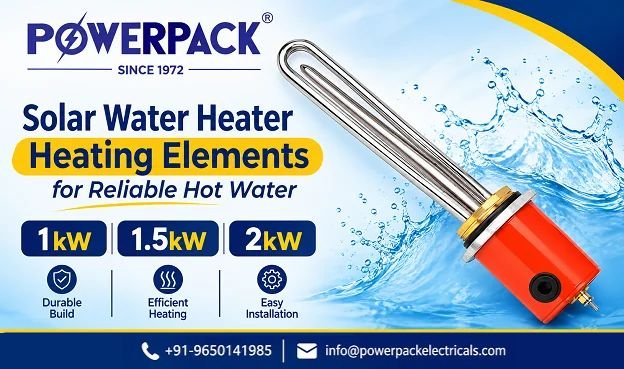
Powerpack Electricals offers solar water heater elements in various mounting arrangements such as 1-inch BSP, 1.25-inch BSP I-Rod and II-Rod and square plate types. It includes all the product listed specifications of 1000 W, 1500 W and 2000 W, 230 V with copper and SS sheathing options.
This is a guide for buyers to determine if they have the needed setup. If you require an Incoloy version, verify with the company that it is available and accurate to what you will need rather than assuming it is in every listed model.
For products and questions please contact Powerpack Electricals.
Make the Choice Based on Your System
A good match for the tank, the electrical supply and water conditions is best for a solar water heater element. Material comparison fitting wattage and advice from the system manufacturer are all important considerations.
If you are purchasing a replacement or designing a new installation, take advice from a reputable supplier of heating elements and a competent engineer.