A hot plate is a relatively simple heating appliance, but choosing the right one becomes more important when it is used regularly in a commercial, institutional or industrial environment.
The required heating capacity, operating frequency, surface size and electrical specifications can vary considerably from one application to another. A model suitable for occasional cooking may not be the right choice for continuous use.
That is why buyers should look beyond price and start with the actual application when selecting a Hot Plate Manufacturer.
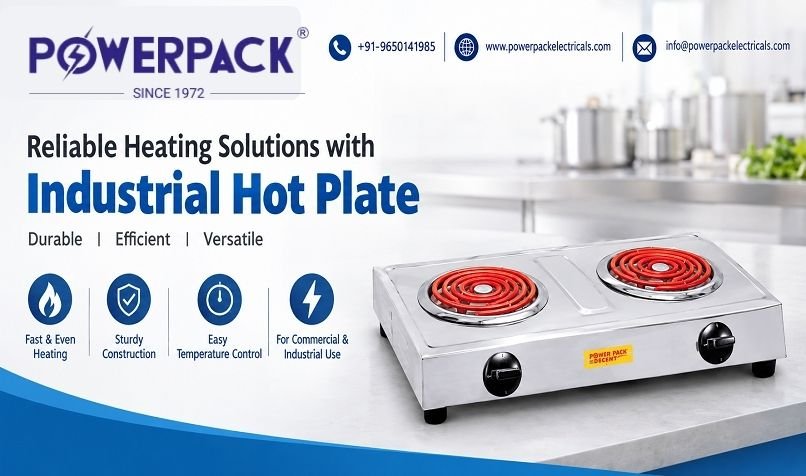
Electric hot plates provide a controlled heating surface without requiring an open flame. Their applications can range from everyday cooking to specific heating requirements in commercial and institutional settings.
Depending on the model and specifications, hot plates can be used for:
The appropriate product depends on the workload, vessel size and required temperature.
There is no single feature that makes a hot plate suitable for every application. Several specifications should be considered together.
Wattage provides an indication of the electrical power consumed by the heating element. A higher rating can support greater heating requirements, but it should be matched to the intended application and available electrical supply.
The size and design of the heating surface should correspond with the cookware, vessel or material being heated. A mismatch can result in inefficient heat transfer.
For applications where different heating levels are required, adjustable temperature control can offer greater flexibility than a simple on/off arrangement.
The body, heating surface and internal components should be appropriate for the expected frequency of use. Regular commercial operation places different demands on equipment compared with occasional use.
Voltage, wattage, insulation, wiring and protective components should all be considered. Installation and operation should follow the manufacturer's specifications.
The word "industrial" can sometimes lead buyers to assume that the highest-powered product is automatically the right option.
It isn't.
A better approach is to consider how the hot plate will actually be used.
|
Factor |
Occasional Use |
Frequent Commercial Use |
|
Operating frequency |
Low |
Regular |
|
Heating requirement |
Moderate |
Application-dependent |
|
Temperature control |
Basic may be sufficient |
Often more important |
|
Construction |
Standard requirements |
Greater focus on durability |
|
Maintenance |
Less frequent |
Regular checks may be needed |
|
Selection priority |
Convenience and suitability |
Consistency and serviceability |
For example, a small food outlet preparing limited quantities may have very different requirements from a large institutional kitchen operating equipment throughout the day.
Before contacting a Hot Plate Manufacturer, it helps to prepare a few basic details.
What are you heating?
The type and size of the vessel or material can influence the required heating surface.
How often will the unit operate?
Frequent use can make durability and maintenance more important.
What power supply is available?
Confirm voltage and electrical load before finalising the model.
How much heating power is required?
The wattage should correspond to the actual workload rather than being selected simply because it is higher.
Do you need temperature adjustment?
Some applications require more precise control than others.
Where will the hot plate be installed?
Available counter or workspace dimensions should be considered before purchase.
Are there specific safety requirements?
Commercial and institutional environments may have additional electrical or workplace requirements.
A manufacturer with experience in heating products can make it easier to discuss technical requirements and identify a suitable configuration.
Powerpack Electricals traces its business history to 1972 and operates across electrical appliances and heating products. The company's website identifies Powerpack Decent as a manufacturer and supplier of products including hot plates, geysers, exhaust fans and pedestal fans.
Its wider product portfolio also includes heating elements for applications such as immersion heating, geysers, washing machines, sterilizers, solar water heaters and industrial heating.
This broader experience with heating components can be relevant when buyers need to understand the technical side of an electrical heating product rather than simply compare catalogue prices.
Before placing an order, check these points:
Having these details ready can make the purchasing process much easier and reduce the possibility of choosing a product that doesn't match the actual workload.
A suitable hot plate is ultimately one that fits the application.
For occasional use, simplicity may be the main consideration. For commercial or institutional applications, buyers may need to give more attention to heating consistency, construction, electrical specifications and long-term usability.
Powerpack Electricals offers hot plates alongside a wider range of electrical heating products and elements. For buyers comparing options from a Hot Plate Manufacturer, starting with the application and technical requirements is a more practical approach than choosing solely on price or wattage.
To explore Powerpack Electricals' product range or discuss a specific heating requirement, visit Powerpack Electricals.